APPLICATIONS

Lens solutions for industrial and security cameras

The industrial camera sets the ceiling of the imaging chain; the lens determines whether that ceiling can be reached. From machine vision inspection to security surveillance, we match sensor size, pixel pitch and working distance to deliver a lens solution you can deploy directly.

6Industries
13Sub-categories
708Standard models
Machine vision inspection line application
MACHINE VISION

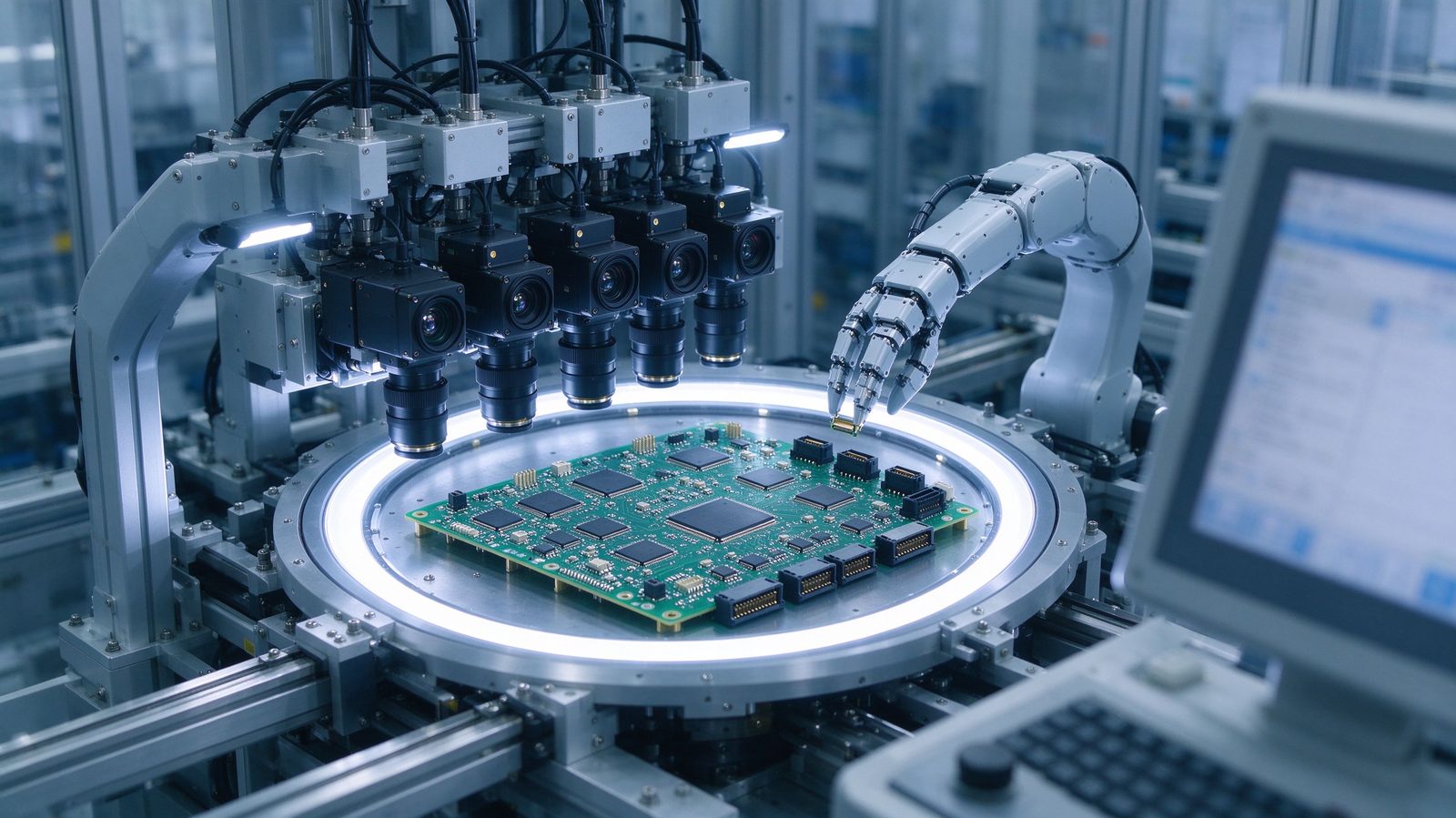
Machine vision inspection (industrial cameras)

Covering positioning guidance, dimensional measurement and cosmetic defect inspection for 3C structural parts, connectors, PCBs and hardware components. These stations usually require sub-pixel positioning accuracy and low-distortion imaging, so the lens must be evaluated together with pixel size and light source angle: choose high-resolution fixed focal lenses when the pixel pitch is below 3 µm, and pay attention to edge illumination and distortion curves when the field of view exceeds 300 mm. Multi-camera arrays also need consistent working distance and mount specifications for easy calibration and maintenance.

Sub-pixel positioningLow distortionHigh resolutionMulti-camera arrays
Recommended lenses

SR1709MP-5C · SSE02816-10C · ST2016PMP-8C

View FA / ITS product line
Intelligent traffic checkpoint capture application
TRAFFIC ITS

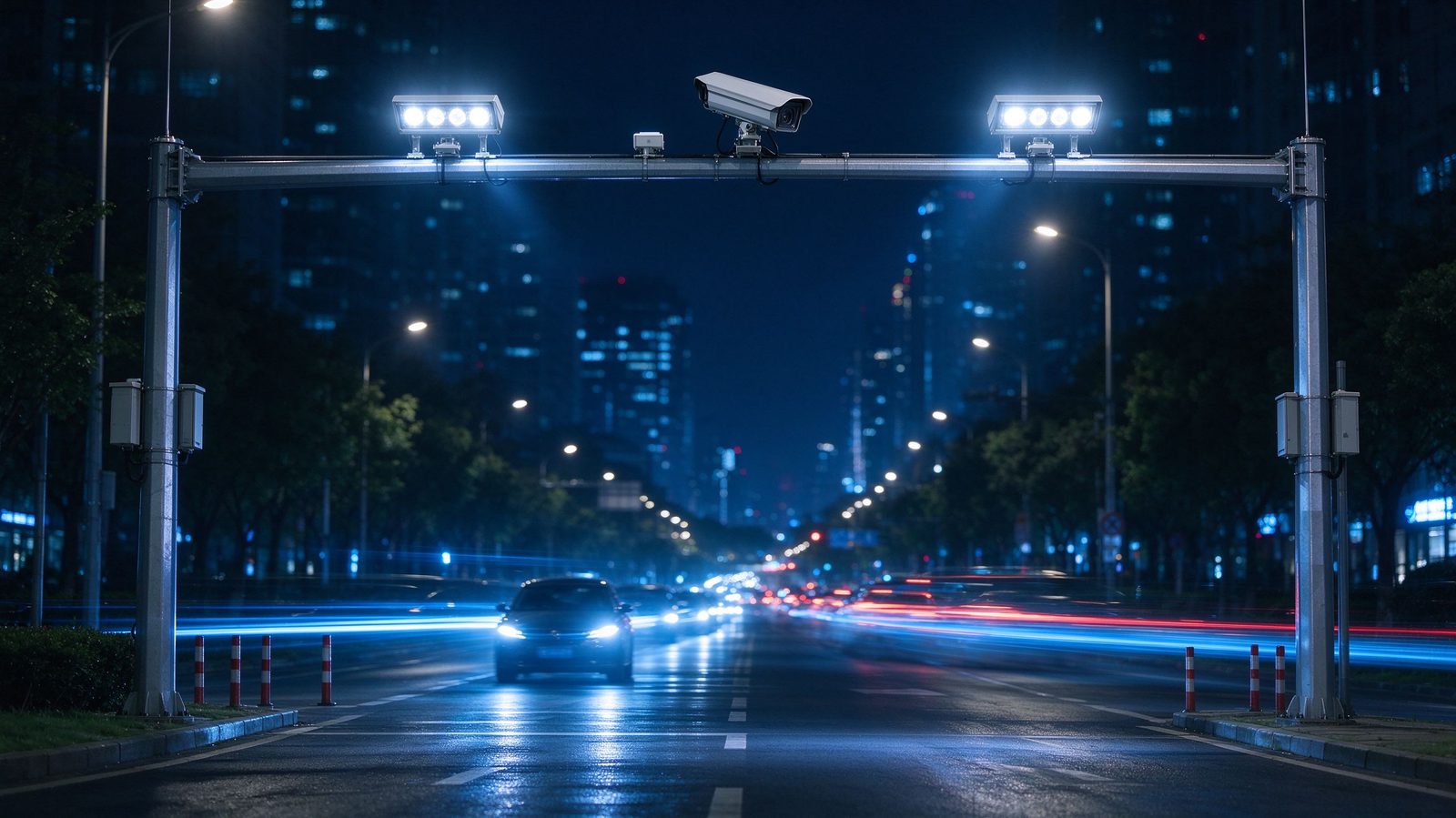
Traffic ITS and security surveillance

Checkpoint capture, electronic police, tunnel and roadside monitoring run 24/7 with a wide day-night illumination range. The lens must solve focus shift under 850/940 nm IR illumination so that colour images by day and monochrome images at night stay in focus; it also has to suppress strong reflections from headlights and glass curtain walls and keep the focal plane stable from -40 °C to +70 °C. Installation space inside the housing, anti-fog heating structure and auto-iris interface should also be confirmed in advance. The same focus-shift control and wide-temperature design also suit security camera installations in campuses, perimeters and roadside surveillance.

850/940 nm focus shift-40 °C wide temperatureAuto irisWater-repellent coating

Recommended lenses

SV0615MP-5C · SV1040MP-5C · SV1236MP-5C

View ITS lenses
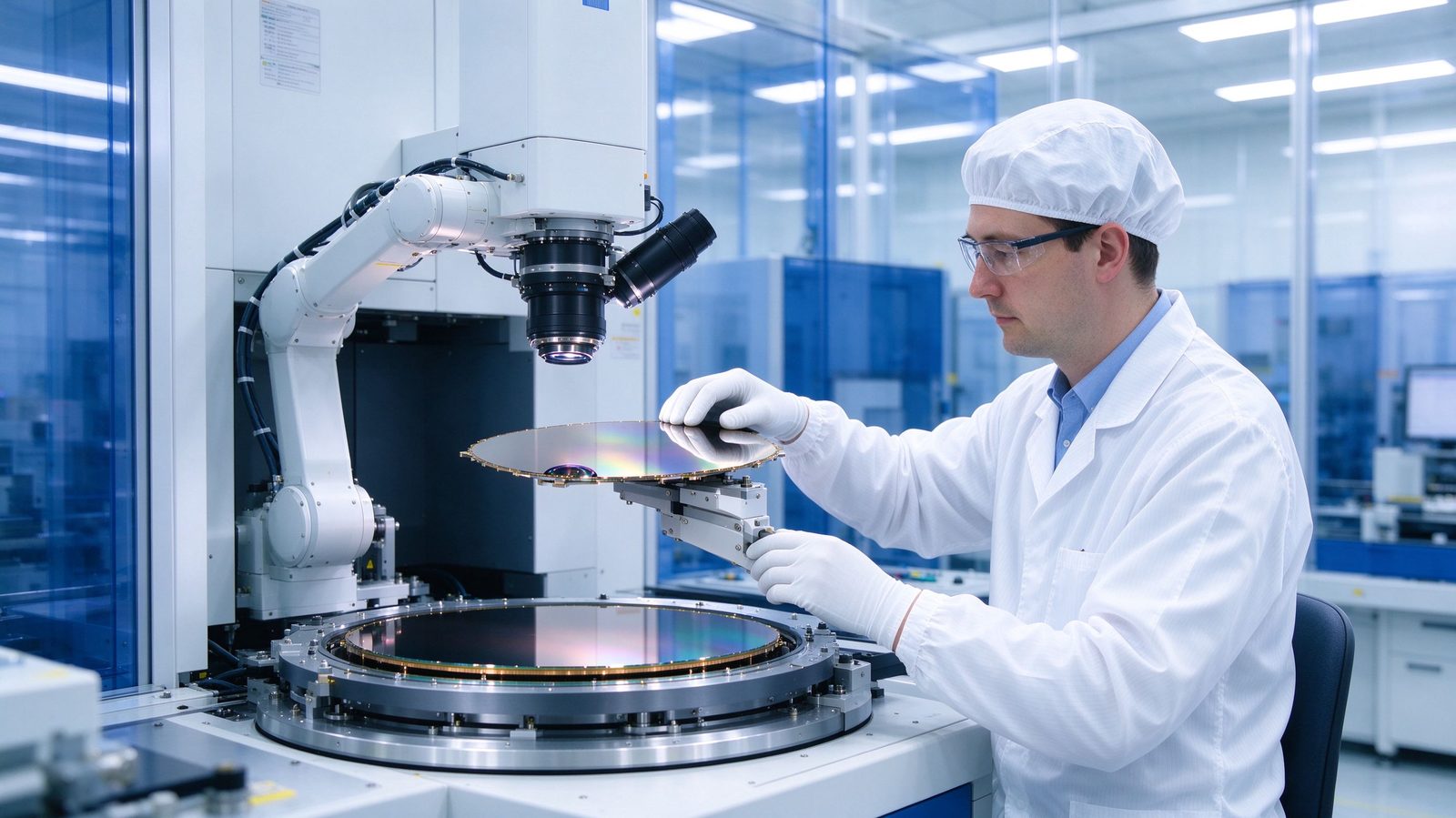
Semiconductor wafer and package inspection application
SEMICONDUCTOR

Semiconductor inspection

Inspection of wafer surfaces, solder balls, fine traces and bonding wires is extremely sensitive to resolution and wavelength. Visible light is used for appearance, dimensions and character recognition; SWIR (900–1700 nm) can see through silicon wafers and some packaging materials to reveal internal structures; UV wavelengths suit fluorescence markers and fine crack inspection. High-magnification zoom lenses are often used on multi-field inspection platforms, where parfocality and centre shift are the key selection criteria.

Large formatSWIR 900–1700 nmUVHigh-magnification zoom

Recommended lenses

SA3528MP-5F · SRL20260MSR-C · ST1628USR-C

View spectral lenses
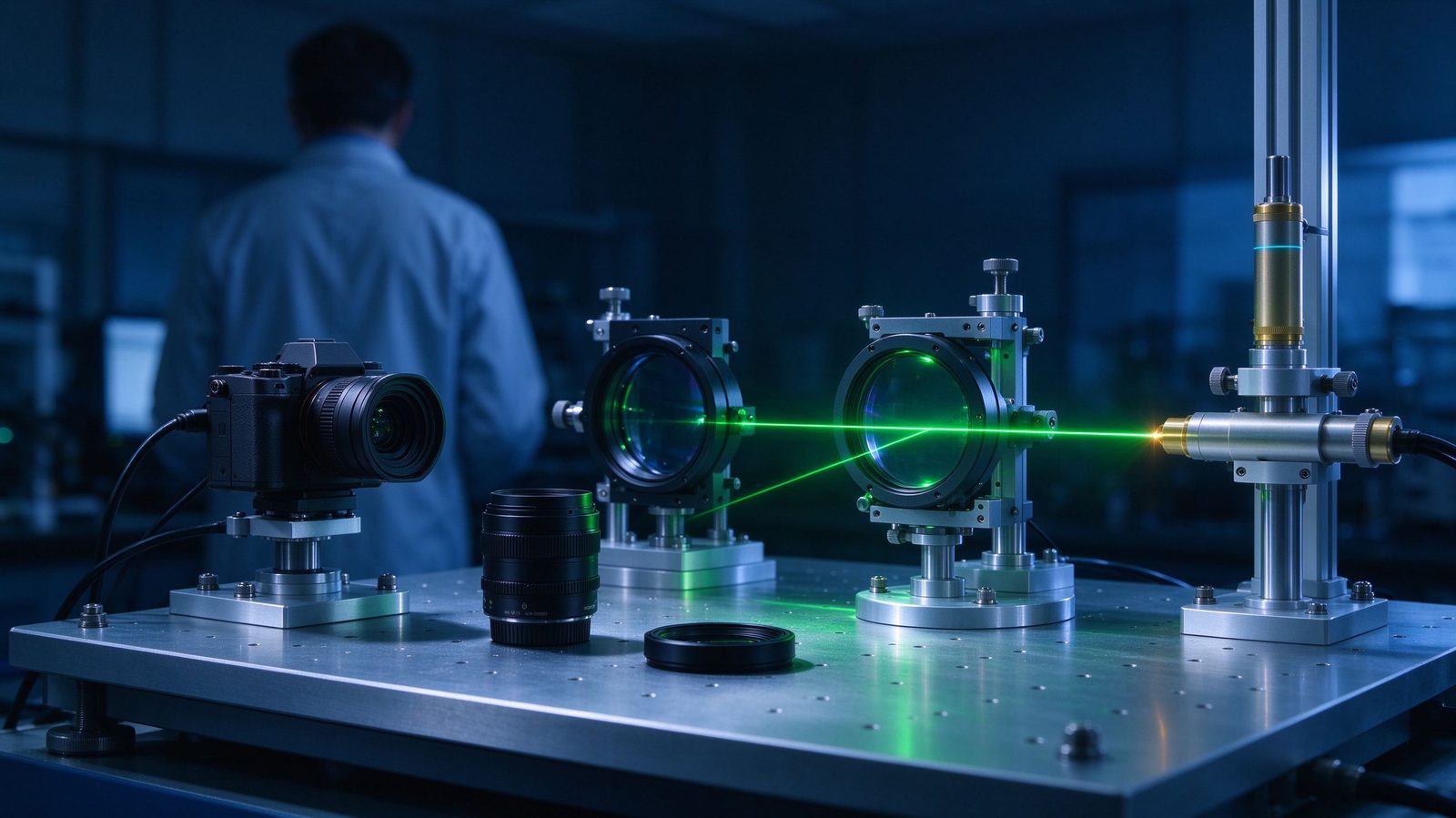
Scientific imaging and optical experiment platform
SCIENTIFIC IMAGING

Scientific imaging

Fluorescence microscopy, spectral imaging, material analysis and high-speed photography often need special wavebands, large image circles or beam-splitting structures. UV and SWIR lenses outside the visible range must match coating transmittance with the sensor response curve; three-sensor beam-splitting setups require sufficient back focal length and parfocal accuracy. Such projects are usually low volume with clear specifications, which suits custom coatings, mounts (C / M42 / F) and barrel structures.

Fluorescence imagingThree-sensor splittingSpecial wavebandsCustom optics

Recommended lenses

SE0828USR-C · SRL30300MSR-C · S9E1218MP-3C

View special lenses
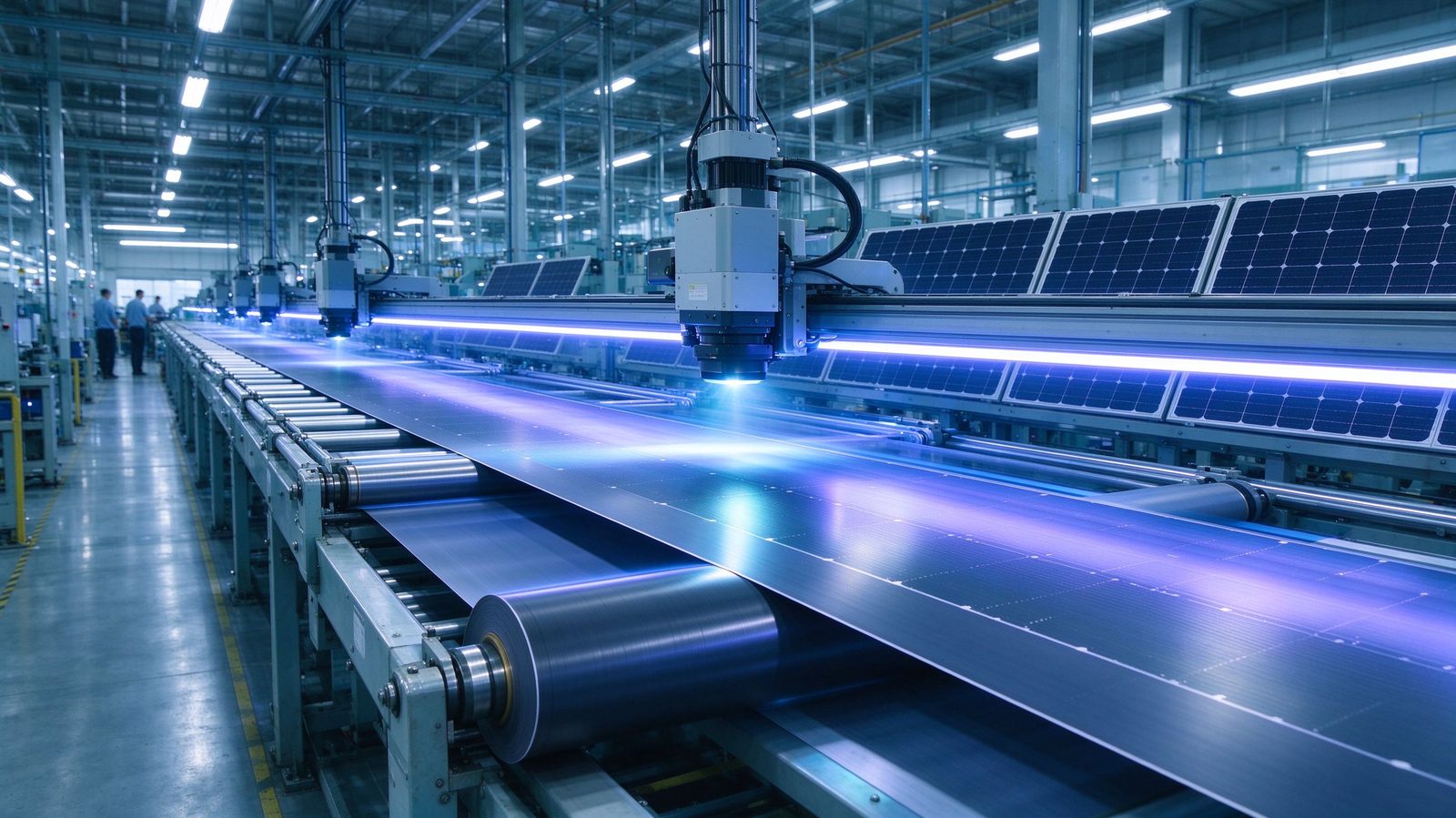
Battery and photovoltaic module inspection application
NEW ENERGY

New energy manufacturing

Electrode coating, cell appearance, stack alignment and PV module micro-crack inspection involve large formats and fast cycle times, and mostly use line-scan or high-resolution area-scan cameras. The lens must cover an image circle of Φ43 mm or larger while keeping uniform illumination and controlled distortion across the full field; line-scan stations also need to balance depth of field, exposure time and motion blur. For tiny defects, contrast and stray-light suppression often matter more than resolution.

Line-scan large formatΦ43 mm image circleIllumination uniformityDefect contrast

Recommended lenses

SFXE53F17 · S30E3528MP-5F · SRL15300MSR-C

View large format lenses
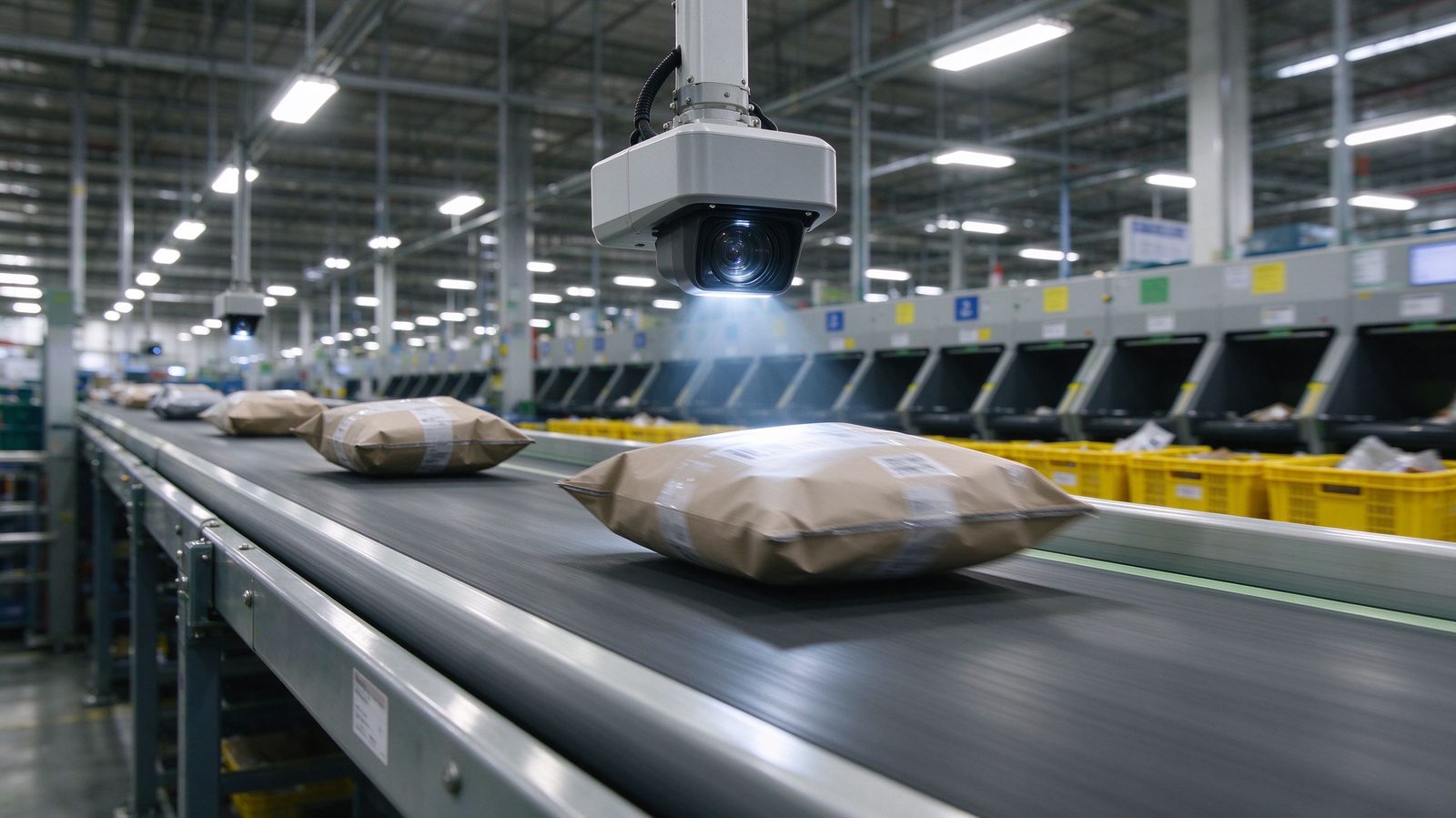
Logistics sorting and code reading application
LOGISTICS

Logistics code reading and sorting

Package sizes vary widely and throughput is high, so code reading and sorting stations must combine large depth of field with motion blur control. Fixed-field reading tunnels suit large-DOF fixed focal lenses; variable-field stations can use motorized varifocal lenses that adjust focus and zoom remotely over a serial port; compact terminals, AGVs and handheld devices are better served by M12 board lenses that trade size for mounting flexibility.

Large depth of fieldFast auto irisMotorized zoomCompact modules

Recommended lenses

SL1040MIRMP-8 · SE01216MP-5 · SSE1618FIR-2

View zoom lenses
SELECTION FLOW

Project selection workflow

Stating the operating conditions clearly in one go significantly shortens sampling and validation cycles.

01 / Scene

Define the inspection goal

Measurement, positioning, code reading or defect detection determines whether resolution or distortion has priority.

02 / Optics

Calculate field of view and focal length

Give us the working distance, field of view and sensor size; we return focal length and depth of field estimates.

03 / Mechanics

Confirm installation conditions

Check mount, barrel diameter, filter thread and housing space to avoid assembly interference.

04 / Validation

Sample testing and volume production

Test under real lighting and cycle time, then lock the model and batch consistency requirements.

INQUIRY

Tell us your industry and operating conditions

Send site photos, camera model and inspection targets, and we will propose an executable lens solution and sample recommendation.